Motivating Aging Adults to Adopt Exercise Through Comprehensive Workout Protocols
Wiki Article
Remaining physically engaged is essential for adults of all ages, but it grows especially important as people age. For seniors, routine exercise assists in preserving independence, enhances flexibility, and improves quality of life. Detailed fitness plans provide seniors with organized approaches to wellness that cover coordination, range of motion, strength, and stamina. By following professionally developed exercise routines, older participants can improve their daily function while reducing the chances of falls, long-term illnesses, and emotional difficulties.
Exercise for older adults is not restricted to strenuous workouts or intense gym workouts. It centers instead on safe, consistent, and sustainable activity that matches personal fitness conditions. Exercises such as walking, stretching, chair yoga, and bodyweight exercises help preserving limberness and firmness. Aerobic workouts like water fitness or stationary cycling enhance heart health, which are key for sustaining physical endurance and vitality. These physical practices also support mental function, as findings have shown that regular exercise can enhance mental clarity, useful source mood, and mental performance.
Holistic fitness recommendations emphasize a well-rounded approach to health, integrating physical, mental, and interpersonal aspects of well-being. Participants are encouraged to begin slowly and advance at a comfortable pace, maintaining injury prevention while avoiding strain. Adding warm-up and cool-down routines reduces muscle soreness, while appropriate hydration and meal balance complement exercise routines. Additionally, community-based programs—such as group fitness classes or organized group walks—offer avenues for social interaction, motivation, and mental connection, which are crucial to overall health.
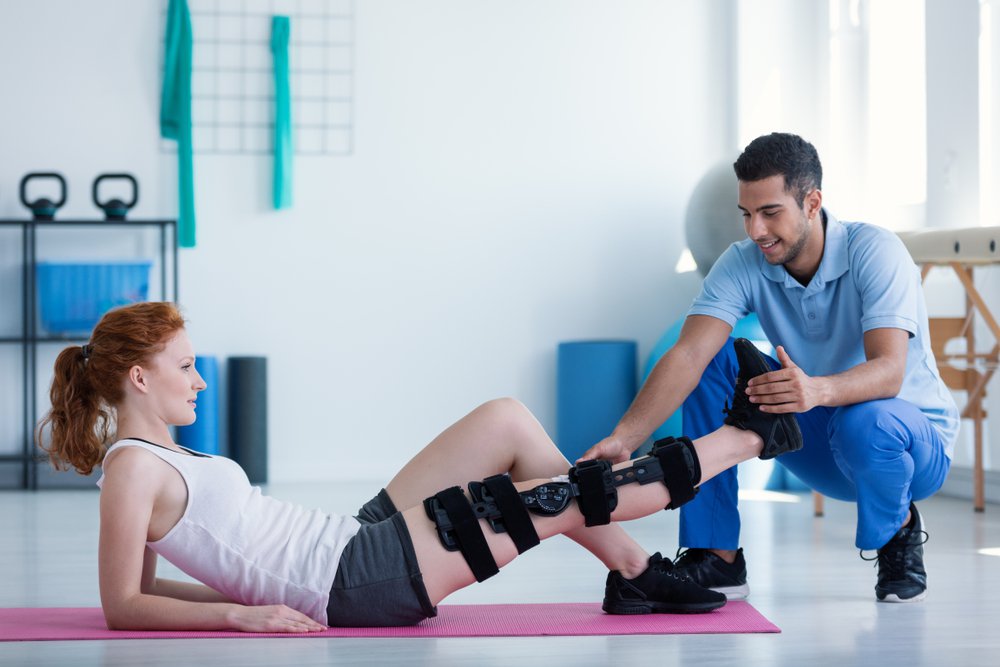
Expert assistance acts as a important role in assisting seniors build personalized training schedules. Working with healthcare providers, rehabilitation specialists, or qualified instructors verifies that routines are aligned to individual health conditions, physical capabilities, and objectives. These specialists can recommend safe training methods that account for elements such as mobility concerns, skeletal weakness, or aerobic restrictions. Through consistent evaluation and adjustment, fitness routines stay beneficial and motivating, promoting sustained engagement and progress.
Overall, enabling seniors to adopt aquatic therapy benefits wellness through comprehensive exercise guidelines fosters a culture of active aging. When older adults are provided with information, motivation, and organized systems, they develop assurance in their strength and appreciate greater freedom. Sustained fitness enhances not only physical strength but also mental clarity and emotional resilience. By prioritizing inclusive, professionally structured exercise plans, societies can ensure that each older adult has the chance to lead a active, vibrant, and meaningful lifestyle.